HAIR COLOUR
Coloured hair doesn’t mean damaged hair
By Ami, founder of KINKÉ
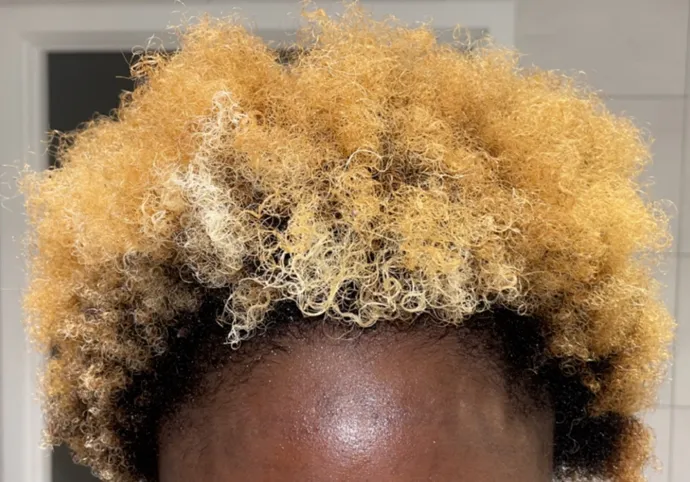
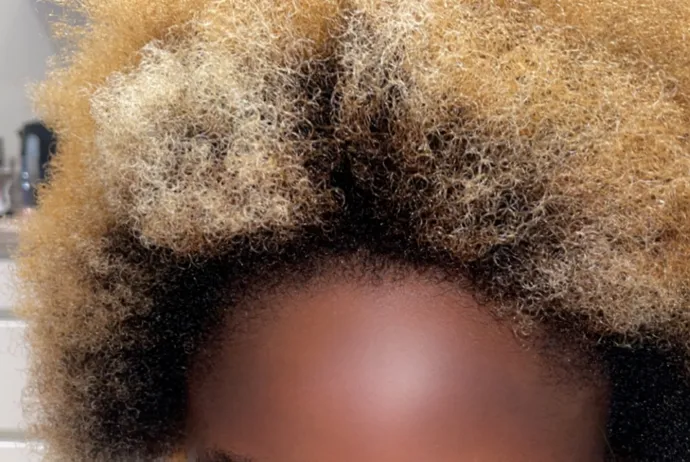
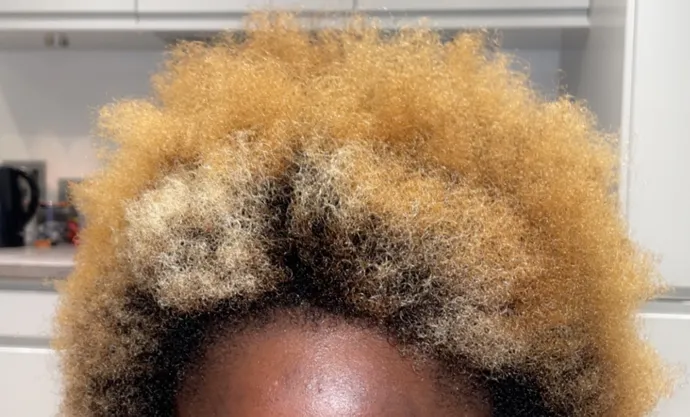
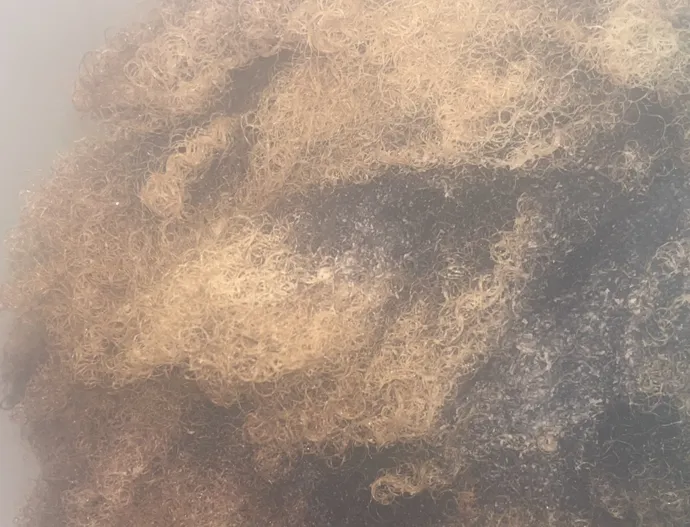
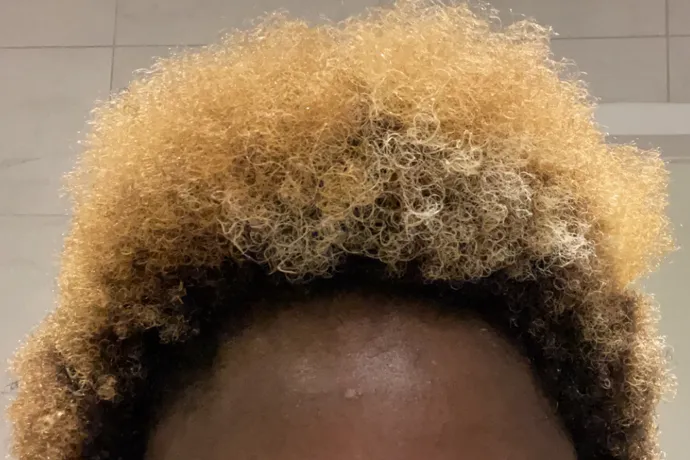
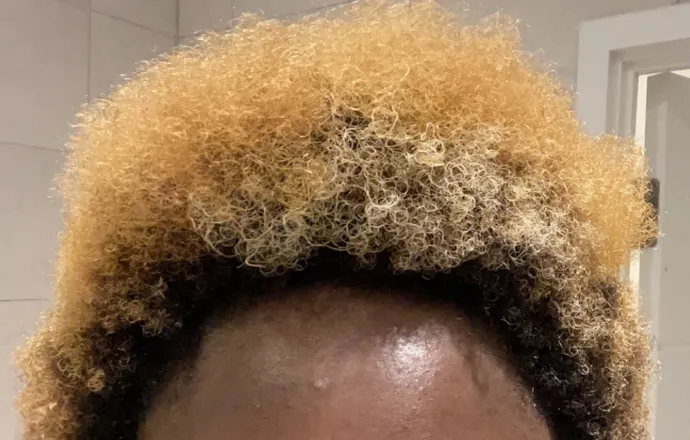
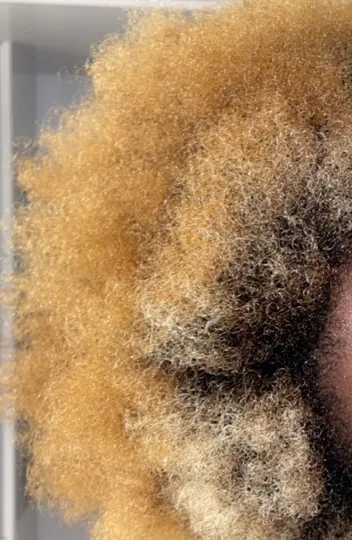
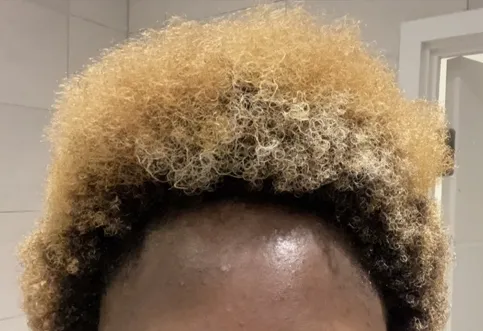
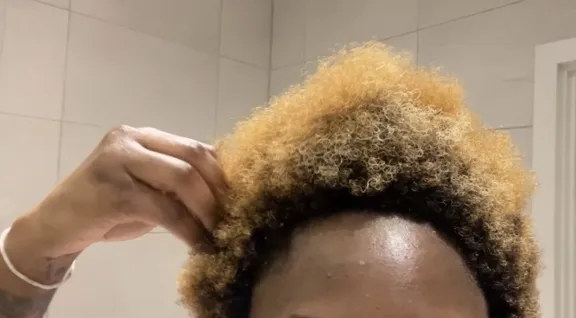
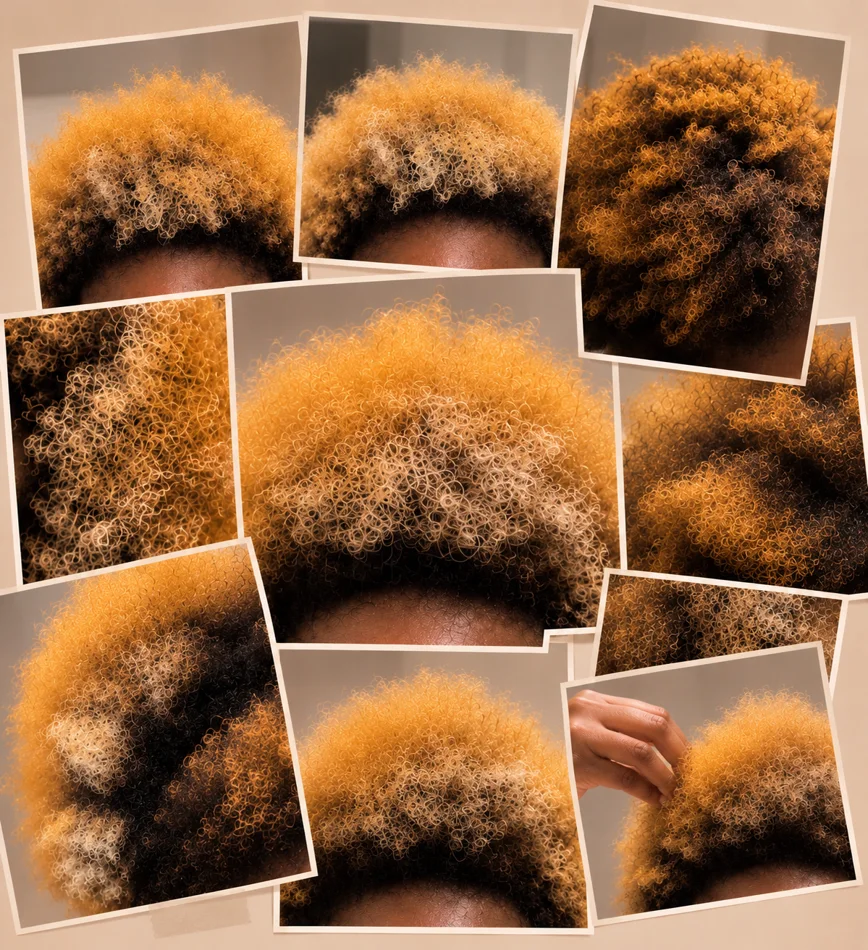
Look how my curls pop. This is exactly why I love colour on my 4C hair. It catches the light, shows off the shape of my coils and makes a wash day feel a little more like getting dressed up.
For this colour change, I started with what was already on my hair.
Step one. I strip the old colour and skip the bleach.
When I say strip, I mean using a bleach-free colour remover made for the type of dye already on my hair. If the shade I want is close to the base underneath, taking out some of the old dye can give me enough room to change the colour without bleaching my natural pigment.
Permanent oxidative dye forms coloured molecules inside the hair. A reducing colour remover chemically changes those molecules so they lose colour and can be rinsed away. The rinse matters. Some formulas include a separate buffer step, and leftover dye can darken again as it reoxidises. I follow the product’s timings, including the full rinse and any buffer step.
What comes through can be warmer than you expect. If the developer in your previous colour already lightened your natural pigment, removing the dye may reveal gold or copper underneath. Naturally dark, undyed hair has no artificial dye for this kind of remover to take out. Direct dyes, vivid stains and henna can respond differently, so check what the formula is designed to remove.
Colour remover versus bleach
| Bleach-free reducing remover | Hair bleach |
|---|---|
| Targets compatible artificial dye. The base it reveals may be warm, uneven or still stained. | Oxidises natural melanin and can lighten some artificial colour. This makes a much lighter shade possible. |
| Avoids the oxidative lift from bleach. Results depend on the formula and your colour history. | Oxidation can also affect hair proteins. Research on excessive bleaching found damage to the outer cuticle and inner cortex. |
If I’m taking off an old dark dye to see whether a chocolate brown is possible, I can start with a remover. If I want blonde from a naturally dark base, I’d need a process that can actually lighten that base.
Step two. Let the strand test decide.
I’d start with a hidden section that includes my ends, where older colour can build up. Once it’s dry, I can check the shade in daylight and feel how the strand handles. If the base is already light enough for the brown I want, I can look for a deposit-only colour. I follow its allergy-test instructions and the remover’s guidance on when to recolour.
And yes, I love seeing my coils spring up. I also pay attention to how my hair feels when I detangle, how easily the ends snag and whether I’m seeing more breakage over the next few wash days. That tells me more about how my hair is handling the change than one good photo ever could.
I want to enjoy my colour on the day I do it and still love wearing my hair out weeks later. Care consistently. Results follow.
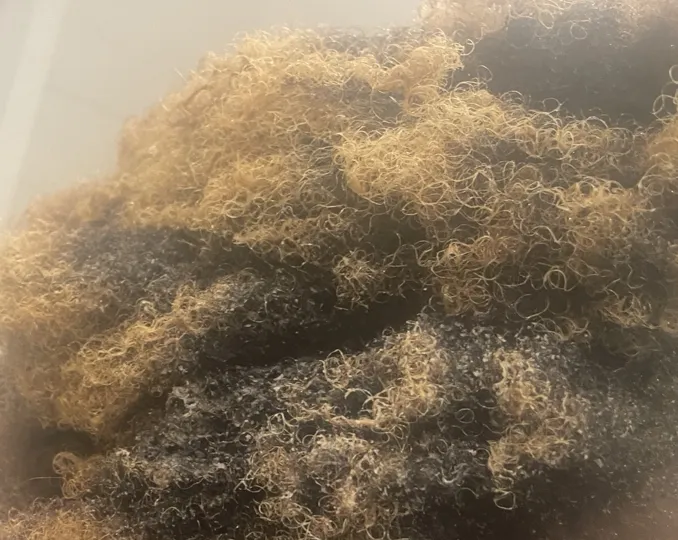
A closer look at my curls